Mumbai
08042781319
+919920674356
RUSH JOINT CARE-Dr. FAIZAAN RUSHNAIWALA

RUSH JOINT CARE-Dr. FAIZAAN RUSHNAIWALA

about-cover-bg image
About RUSH JOINT CARE-Dr. FAIZAAN RUSHNAIWALA

The Best Doctor in Mumbai

Services
Featured Services

What We Cure

SPINE SURGERIES

🧠🦴 SPINE SURGERIES – OVERVIEW Spine surgeries are performed to treat a wide range of spinal conditions including degenerative diseases, trauma, deformities, tumors, and infections affecting the cervical, thoracic, or lumbar spine. 🔹 Common Indications for Spine Surgery Condition Examples Degenerative Disc herniation, spinal stenosis, spondylolisthesis Trauma Vertebral fractures, dislocations Deformity Scoliosis, kyphosis Infection Tuberculosis (Pott's spine), discitis Tumors Primary or metastatic spinal tumors Instability Due to degeneration, trauma, or surgery 🔹 Goals of Spine Surgery Relieve nerve compression (e.g. sciatica, radiculopathy) Stabilize the spine (internal fixation, fusion) Correct deformities Remove pathological tissue (e.g. tumor, abscess) Restore spinal alignment and function 🔹 Types of Spine Surgeries 1. Discectomy / Microdiscectomy Indication: Herniated disc compressing nerve root (sciatica, radiculopathy) Microdiscectomy: Minimally invasive, less muscle damage Most common in: Lumbar spine 2. Laminectomy / Laminotomy Laminectomy: Removes lamina to decompress spinal canal (for spinal stenosis) Laminotomy: Partial removal (more conservative) Common in lumbar and cervical stenosis 3. Spinal Fusion Indication: Instability (e.g., spondylolisthesis, fractures, severe degeneration) Joins two or more vertebrae using bone grafts + hardware (screws/rods/plates) Can be: PLIF (Posterior Lumbar Interbody Fusion) TLIF (Transforaminal Lumbar Interbody Fusion) ALIF (Anterior Lumbar Interbody Fusion) ACDF (Anterior Cervical Discectomy and Fusion) 4. Vertebroplasty / Kyphoplasty Indication: Osteoporotic vertebral compression fractures Vertebroplasty: Injection of bone cement into vertebral body Kyphoplasty: Balloon inflation before cement injection to restore height 5. Deformity Correction For scoliosis or kyphosis Involves long-segment instrumentation and fusion May use pedicle screws, rods, osteotomies 6. Spinal Tumor Surgery Decompression ± excision of tumor May involve spinal stabilization or reconstruction Requires multidisciplinary planning (oncology, radiology) 7. Endoscopic Spine Surgery (MISS) Minimally invasive alternative for discectomy, decompression Uses tubular retractors and cameras Reduced pain and quicker recovery 🔹 Spinal Levels & Surgeries Region Common Surgeries Cervical ACDF, cervical laminectomy, posterior fixation Thoracic Discectomy, corpectomy (e.g. for TB/tumor), deformity correction Lumbar Discectomy, TLIF, laminectomy, vertebroplasty 🔹 Risks and Complications Infection Nerve injury Dural tear → CSF leak Implant failure Adjacent segment degeneration Nonunion (in fusion cases) Persistent pain (Failed Back Surgery Syndrome) 🔹 Rehabilitation & Recovery Early mobilization (especially after MISS) Bracing if needed Physiotherapy: core strengthening, posture correction Gradual return to activity 🔹 Advances in Spine Surgery ✅ Minimally Invasive Spine Surgery (MISS) ✅ Robotic-assisted spine surgery ✅ Intraoperative navigation & neuromonitoring ✅ Biologics for fusion (e.g. BMPs) ✅ Artificial disc replacement (motion-preserving alternative) 🔹 Summary Chart Surgery Indication Approach Invasiveness Discectomy Herniated disc Posterior Conventional or minimally invasive Laminectomy Spinal stenosis Posterior Open or minimal Fusion (e.g. TLIF) Instability, degeneration Anterior/Posterior Moderate–high Vertebroplasty Compression fracture Percutaneous Minimally invasive Tumor excision Spinal tumors Any Variable
JOINT REPLACEMENT SURGERIES

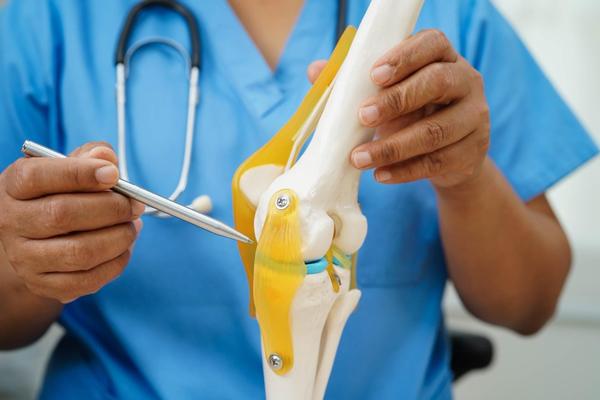
🦴 JOINT REPLACEMENT SURGERIES (ARTHROPLASTY) – OVERVIEW Joint Replacement Surgery, also called Arthroplasty, involves removing a damaged joint surface and replacing it with an artificial prosthesis to relieve pain and restore function—most commonly in advanced osteoarthritis, rheumatoid arthritis, or after trauma. 🔹 Common Types of Joint Replacement Surgeries Joint Procedure Name Notes Knee Total Knee Replacement (TKR) / Partial Knee Replacement Most common worldwide Hip Total Hip Replacement (THR) Gold standard for hip OA Shoulder Total Shoulder Arthroplasty (TSA) / Reverse TSA Depends on rotator cuff status Elbow Total Elbow Replacement Less common; for RA or severe trauma Ankle Total Ankle Arthroplasty For end-stage ankle arthritis Finger Joints MCP, PIP joint replacement Mostly in rheumatoid arthritis 🔹 Components of Joint Prostheses Metal: Titanium, cobalt-chromium alloys Plastic: Ultra-high-molecular-weight polyethylene (UHMWPE) Ceramic: Highly biocompatible, less wear (e.g. ceramic-on-ceramic in hips) 🔹 Indications for Joint Replacement ✅ Severe joint pain affecting daily activities ✅ Advanced osteoarthritis or inflammatory arthritis ✅ Joint deformity ✅ Failure of conservative treatments (medication, therapy, injections) ✅ Post-traumatic arthritis ✅ Avascular necrosis (e.g. femoral head) ✅ Tumors involving joints (limb salvage procedures) 🔹 Types of Joint Replacement 1. Total Joint Replacement Entire articular surface replaced (e.g. TKR, THR) 2. Partial Joint Replacement Only a part is replaced (e.g. Unicompartmental Knee Replacement) 3. Hemiarthroplasty Only one side of the joint replaced (e.g. hip hemiarthroplasty for femoral neck fractures) 4. Reverse Shoulder Arthroplasty Used when rotator cuff is non-functional 🔹 Surgical Approach (Example: Hip) Posterior approach: Most common, good exposure, higher dislocation risk Anterior approach: Less muscle damage, quicker recovery Lateral approach: Lower dislocation risk, possible abductor weakness 🔹 Post-operative Care Early mobilization (within 24–48 hours) Physiotherapy (ROM, strengthening, gait training) Thromboprophylaxis (DVT/PE prevention) Pain management Monitoring for infection or implant complications 🔹 Risks & Complications Early Late Infection Prosthesis loosening DVT/PE Wear of implant Bleeding Periprosthetic fracture Nerve injury Dislocation (hip/shoulder) Joint stiffness Aseptic loosening or osteolysis 🔹 Lifespan of Joint Prostheses Typically lasts 15–20 years Younger patients may require revision surgery later 🔹 Advances in Joint Replacement Robotic-assisted surgery 3D-printed implants (custom-fit) Navigation systems Minimally invasive techniques Enhanced recovery protocols (ERAS) 🔹 Summary Chart Feature Total Joint Replacement Partial Replacement Invasiveness More Less Longevity Longer Shorter Recovery Moderate Faster Indication Extensive damage Localized damage Cost Higher Lower

MINIMALLY INVASIVE JOINT SURGERIES/ARTHROSCOPY

🦴 Minimally Invasive Joint Surgeries / Arthroscopy in Orthopaedics Minimally invasive joint surgery—especially arthroscopy—has become the gold standard for diagnosing and treating many intra-articular conditions, offering reduced pain, quicker recovery, and smaller incisions compared to open surgery. 🔹 What is Arthroscopy? Arthroscopy is a surgical technique in which a small camera (arthroscope) and miniature instruments are inserted into the joint through tiny incisions (portals) to visualize, diagnose, and treat joint problems. Camera projects images onto a monitor Minimally traumatic to skin, soft tissues, and joint capsule 🔹 Advantages of Arthroscopy ✅ Smaller incisions ✅ Less post-operative pain ✅ Faster recovery ✅ Reduced hospital stay (often day care) ✅ Minimal blood loss ✅ Lower infection risk ✅ Better cosmetic outcome 🔹 Common Joints Treated Arthroscopically Joint Common Indications Knee Meniscus tear, ACL/PCL reconstruction, cartilage lesions, synovectomy Shoulder Rotator cuff repair, impingement syndrome, labral tears, frozen shoulder Hip Femoroacetabular impingement (FAI), labral tears, loose bodies Ankle Anterior impingement, loose bodies, OCD (osteochondritis dissecans) Wrist TFCC tears, carpal instability, ganglion cysts Elbow Loose body removal, synovitis, contracture release 🔹 Common Arthroscopic Procedures 🦿 Knee Arthroscopy Meniscectomy or meniscal repair ACL reconstruction Cartilage debridement/microfracture Synovectomy Lateral release (for patellar tracking issues) 💪 Shoulder Arthroscopy Rotator cuff repair Subacromial decompression SLAP lesion repair Bankart repair (for recurrent dislocation) Biceps tenodesis 🩻 Hip Arthroscopy Labral repair Femoroplasty (for cam/pincer lesions in FAI) Synovectomy or loose body removal 🔹 Equipment Used Arthroscope (typically 2.7mm or 4.0mm) Light source Saline/lactated Ringer’s irrigation system Trocar/cannula systems Power shavers RF ablation probes Specialized instruments (graspers, scissors, punches) 🔹 Contraindications Severe joint arthritis (especially if joint space is obliterated) Active infection Inaccessible joint anatomy (e.g. severe deformity or scarring) Poor general health status 🔹 Risks and Complications Infection (rare) Thrombosis Bleeding/hemarthrosis Nerve or vessel injury Stiffness or incomplete resolution of symptoms 🔹 Summary Chart Feature Open Surgery Arthroscopy Incision size Large Small (0.5–1 cm) Recovery time Long Short Blood loss More Minimal Hospital stay Longer Often day-care Scarring Visible Minimal Indications Advanced disease Early–moderate, focal lesions

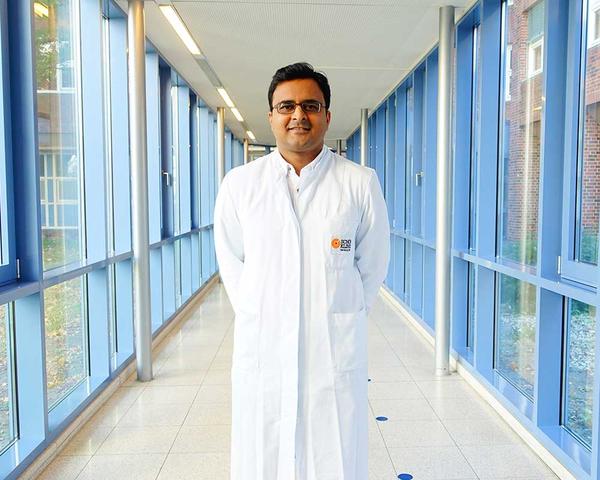
Doctor's Profile Picture

Dr. Faizaan Rushnaiwala

Dr. Faizaan Rushnaiwala

M.B.B.S. | M.S.Ortho | D.N.B.Ortho | M.N.A.M.S
Mumbai

Speciality

ORTHOPAEDIC SURGEON


Education

M.B.B.S. | M.S.Ortho | D.N.B.Ortho | M.N.A.M.S


Experience

10 years


Mobile

9920674356


Memberships

12


Registration No

123

Image Gallery

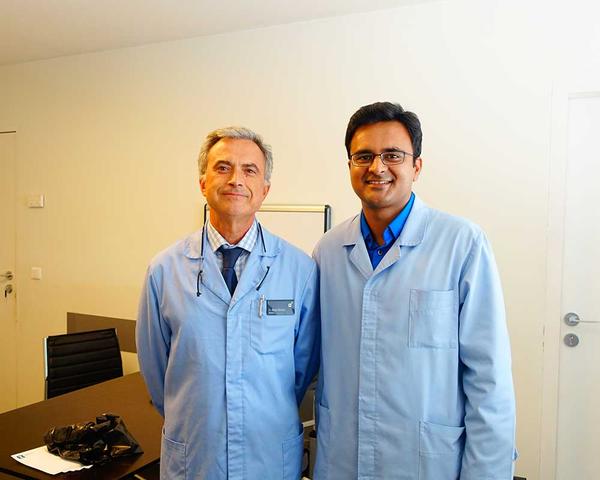
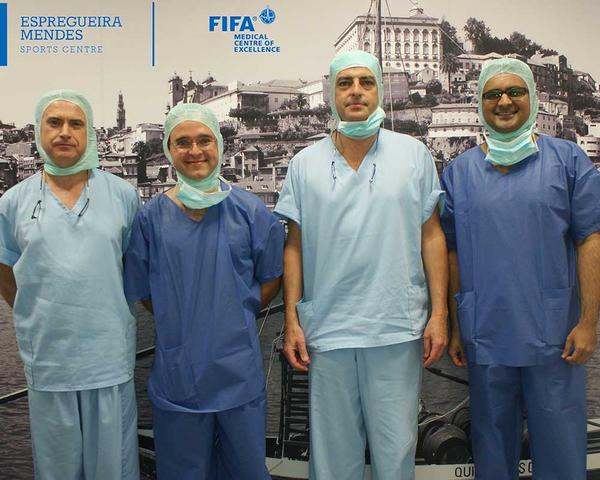
Pictures That Speak

Need Trusted Second Opinion?

Not sure about your diagnosis or treatment plan? We're here to help.

Testimonials
testimonial image

I had severe knee pain in both legs Dr. Faizaan reviewed my case and suggested to go with Regen p theraphy for themenisc...

Read More
testimonial image

I am incredibly grateful to **Dr. Faizaan** for his expertise, dedication, and compassionate care during my **MPFL surge...

Read More

footerhc